Red cross bhawan near Hotel Fortune Lajpat Nagar, Jalandhar, Punjab, 144003

Ozone Therapy, a branch of Naturopathy, has emerged a promising alternative medicine therapy to support diabetes treatment with oxygenation. Medical professionals at Ozone Forum of India have highlighted the therapeutic benefits of ozone therapy during treatment of type-2 diabetes.

Diabetes is a chronic disorder where the human pancreas fails to regulate the sugar or glucose in the bloodstream effectively.
Diabetes develops when the pancreas either does not generate enough insulin or stops producing altogether because the body becomes resistant to it.
Most of the food you eat is broken down into sugar (also called glucose) and released into your bloodstream. When your blood sugar goes up, it signals your pancreas to release insulin. Insulin acts like a key to let the blood sugar into your body’s cells for use as energy.
If you have diabetes, your body either doesn’t make enough insulin or can’t use the insulin it makes as well as it should. When there isn’t enough insulin or cells stop responding to insulin, too much blood sugar stays in your bloodstream. Over time, that can cause serious health problems, such as heart disease, vision loss, and kidney disease.
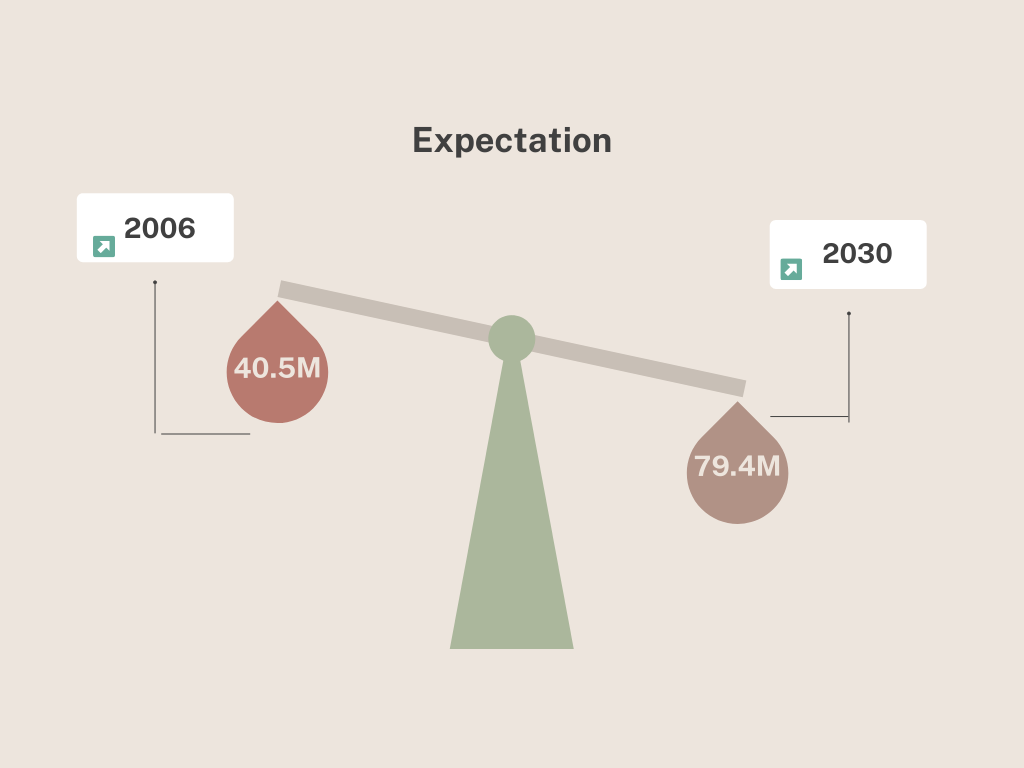
India has a high prevalance of diabetes mellitus and the numbers are increasing at an alarming rate.
India has a high prevalence of diabetes mellitus and the numbers
are increasing at an alarming rate. In India alone, diabetes is
expected to increase from 40.6 million in 2006 to 79.4 million by
2030. Studies have shown that the prevalence of diabetes in urban
Indian adults is about 12.1%, the onset of which is about a decade
earlier than their western counterparts and the prevalence of Type
2 diabetes is 4-6 times higher in urban than in rural areas. The
risk factors peculiar for developing diabetes among Indians
include high familial aggregation, central obesity, insulin
resistance and life style changes due to urbanization. Screening
for gestational diabetes and impaired glucose tolerance among
pregnant women provides a scope for primary prevention of the
disease in mothers as well as in their children. The problems of
obesity and impaired glucose tolerance (IGT) (important
predisposing factors) are not confined to adults alone but
children are also increasingly getting affected. Most long
standing macro and micro vascular complications are also more
common among Indian diabetics as compared to other races and
ethnic groups. A strong familial clustering of diabetic
nephropathy among Indian Type 2 diabetics has also been noted.
Clustering of cardiovascular risk factor like Syndrome X is common
among urban Indians. The rising incidence of diabetes and its
complications are going to pose a grave health care burden on our
country. Timely effective interventions/measures and screening
tests for complications at the time of diagnosis becomes
imperative not only for early detection, but also to prevent
progression to end stage disease. Screening for gestational
diabetes among pregnant women would also go a long way in primary
prevention of the disease. Life style changes/interventions and
drugs like rosiglitazone are the current strategies that can
prevent and/or delay the onset of diabetes. Simple interventional
strategies like "Eat less, Eat on time and Walk more" can go a
long way in preventing these chronic disorders among present as
well as in the future generations.
To understand diabetes, first you must understand how glucose is normally processed in the body.
Insulin is a hormone that comes from a gland situated behind and below the stomach (pancreas).
Glucose — a sugar — is a source of energy for the cells that make up muscles and other tissues
Although there's no cure for type 2 diabetes, studies show it's possible for some people to reverse it. Through diet changes and weight loss, you may be able to reach and hold normal blood sugar levels without medication.
This doesn't mean you're completely cured. Type 2 diabetes is an ongoing disease. Even if you're in remission, which means you aren't taking medication and your blood sugar levels stay in a healthy range, there's always a chance that symptoms will return. But it's possible for some people to go years without trouble controlling their glucose and the health concerns that come with diabetes.
So how can you reverse diabetes? The key seems to be weight loss. Not only can shedding pounds help you manage your diabetes, sometimes losing enough weight could help you live diabetes-free -- especially if you've only had the disease for a few years and haven't needed insulin.
Living without diabetes medication is usually appropriate only for people without diabetes complications. If you don’t have other health issues, you can usually discontinue diabetes medication if you meet the following criteria:
If you’re overweight, losing just 5-10% of your body weight can deliver benefits that exceed a change in your appearance. Shedding pounds can improve your cholesterol, lower blood pressure, and reduce blood sugar levels. These changes can also lower your risk of stroke and heart attack.
Follow established guidelines for a healthy diet. This typically includes the following recommendations:
Exercising 30 minutes a day can lower blood sugar levels, decrease insulin resistance, and help regulate your cholesterol and blood pressure levels. Doubling your commitment and exercising 60 minutes a day can help accelerate weight loss.
Working with a personal trainer or another exercise professional can help you make the most of your workouts. You’re more likely to stick to an exercise regimen if you make a commitment to a workout partner.
You can determine daily blood sugar patterns by testing your blood sugar levels regularly throughout the day. This can help you identify the circumstances when your blood sugar levels are at their highest.
Identifying these patterns can help you plan your daily activities and meals to keep your blood sugar levels.
You need a minimum of six hours of sleep daily to change the balance of blood sugar and insulin. Encourage a good night’s sleep by avoiding spicy foods, caffeine, and alcohol.
Establish a sleep schedule and environment that encourages a restful sleep. This can include falling asleep and rising at the same time daily. Sleeping in a dark, quiet, and cool room can support a good night’s sleep without disturbances.
Find out more about what you need to do to get off diabetes medication. Schedule a consultation with our team by calling our office today.
The answer to the above question is a big YES! You can lead a normal healthy life, even with diabetes provided you make some simple and informed lifestyle choices. Read this blog to know about “Can You Live a Normal Life With Diabetes” Let’s see what they are:
If you’re reading this, you’re already on the right track. Dealing with a problem becomes a lot easier if you understand the problem better, if you learn more about it. And when you learn about diabetes, you’ll understand how your body is affected by it and how you can help minimize its negative impact on your body. You’ll be in a much better position to make right choices with respect to your diet, medication and other day-to-day activities.
For example, the wound of a diabetes patient takes a longer time to heal, which means one should be particularly careful about potential accidents and avoid putting ourselves to risks whenever possible.
By learning more about diabetes, you can educate your peers, family, friends and relatives, thus enabling them to manage their diabetes better.
Often times we forget to take our medication even for a small cough or cold. However, you cannot have this casual approach when it comes to diabetes. Do not skip your diabetes medicines—take your tablets or insulin as prescribed by your doctor, and on time.
Being careful about the food you consume is a good practice with or without practice. But, the consequences of not managing your diet become more severe when you have diabetes as some foods can directly impact your blood sugar levels. Hence, it’s imperative that one should maintain a strict diet plan in case of diabetes to nourish the body without causing any further damage to it.
One of the best ways to keep your diabetes in control is through exercise. Physical activities or exercises reduce the level of glucose in your blood. Even simple exercises such as walking for at least 30 minutes every day can be extremely helpful. In addition to that, keep moving and stay active with activities such as gardening, yoga or even push-ups if you’re up for it. Staying active not only helps the body stay healthy but it also increases the immunity of the body, also aiding the treatment of diabetes.
Approximately 90% of people with type 2 diabetes are overweight or obese.¹ While obesity often contributes to the development of diabetes, the bigger driver of weight gain is the high insulin levels that are found well before the diagnosis of diabetes.There are some good reasons why the standard advice of “eat less, exercise more” doesn’t deliver results for people living with type 2 diabetes.
Although there's no cure for type 2 diabetes, studies show it's possible for some people to reverse it. Through diet changes and weight loss, you may be able to reach and hold normal blood sugar levels without medication.





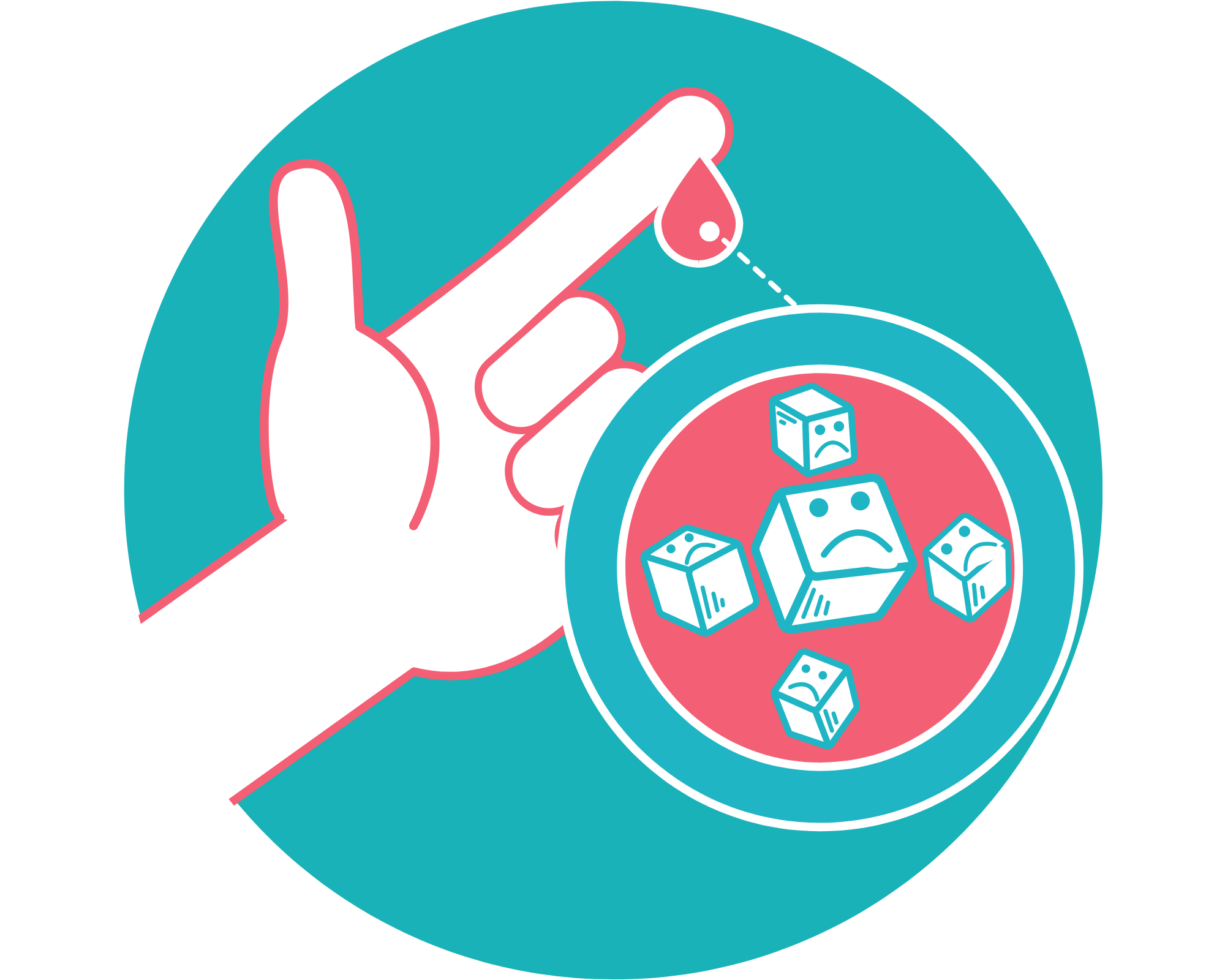
Maintain heathy sugar levels
Reach your ideal weight
Avoid compplications like heart disease, kidney disorders, Neuropathy etc.


The program is designed to maintain a near normal sugar levels through OZONE THERAPY, the food we eat and physical activity we undertake on a daily basis and also to reduce the dependence on medication.
To Enroll in our program Contact us through the details below:-
Red cross bhawan near Hotel Fortune Lajpat Nagar, Jalandhar, Punjab, 144003
+91 8070707109